Network History
The Free-Net Era and Community Computing
How free-nets, dial-up community systems and volunteer networks gave the public its first taste of the internet, city by city.
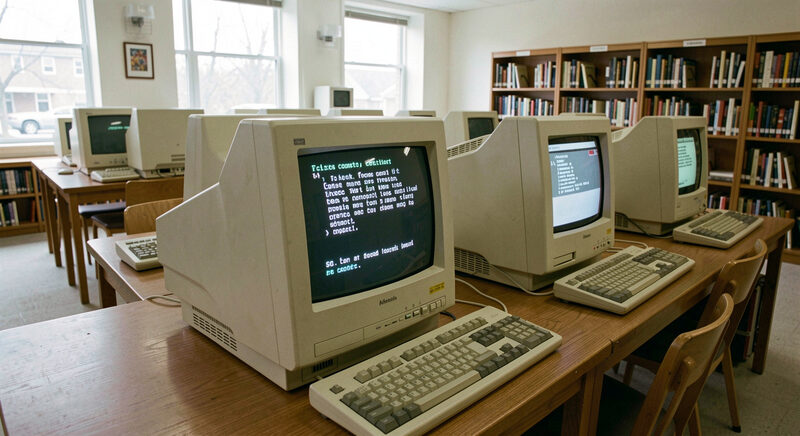
Before broadband reached the home, the public internet had a different front door. In cities across North America and beyond, free-nets opened that door. Run by volunteers, sponsored by universities and phone companies, and reached through a squealing modem line, these community systems gave ordinary residents their first email address, their first look at a networked world, and in many cases their first web page. This section collects The Local Loop's guides to that era: what the systems were, who built them, and why they still matter to anyone thinking about public access today.
What the guides in this section cover
The story starts with definitions. What a Free-Net Was and How It Worked explains the model in plain terms: a community-run computer, a bank of phone lines, text menus organized like the departments of a town, and a staff made largely of volunteers. From there, the guides move to the systems themselves. Cleveland Free-Net: Where Public Internet Began traces the first and most famous of them, which grew out of a medical question board at Case Western Reserve University and at its height counted tens of thousands of registered users.
Because this site lives on the former domain of the Greater Houston Free-Net, the record of that system gets a guide of its own. The Greater Houston Free-Net and Its Community Pages documents what the Houston project set out to do in 1997 and the local organizations that published their first pages on it. The wider movement had its own machinery, and NPTN and FreePort tells the story of the nonprofit that licensed the Free-Net name and distributed the software dozens of systems ran on.
The community side of the record
A free-net was never only a connection. It was also a place where a church music society, a treatment charity or a neighborhood club could publish to the world for the first time. When Nonprofits Got Their First Homepages looks at that arrangement and at what it meant for organizations that could not have afforded commercial hosting. For readers curious about the practical side, What Signing Up for a Free-Net Involved reconstructs the registration routine: the form, the volunteer review and the first dial-up session.
How the guides are sourced
Community networks left thin paper trails, so these guides lean on what actually survives: archived homepages, encyclopedia entries, mailing list archives and links still pointing at old addresses. Where a number or a date is cited, it comes from that record, and where the record is thin the text says so rather than filling the gap. That restraint is deliberate, since the value of a history section is that every claim in it can be checked.
Why read this history now
The questions the free-net era answered have not gone away. Who gets access, who pays for it, who runs the help desk, and who decides what a community publishes are the same questions asked today in debates over municipal broadband, library technology budgets and digital inclusion programs. The difference is that the free-nets answered them once already, on a shoestring, in public. Their record is a working archive for the topics covered in Public Access and Community Builds, and it rewards a careful read.
Network History
What Was a Free-Net? The Community Internet Explained
Free-nets gave the public free dial-up access to local information and early internet in the 1980s and 1990s. How they worked.
A community computer, a modem line, a civic promise.
Network History
Cleveland Free-Net: Where Public Internet Began
From a medical Q&A board to tens of thousands of users: the story of the Cleveland Free-Net, the first community network.
From a medical board to the first public network.
Network History
The Greater Houston Free-Net and Its Community Pages
GHOFN offered Houston residents free internet access and hosted nonprofit homepages from 1997. What the system offered.
Houston's 1997 free-net, from the archived record.
Network History
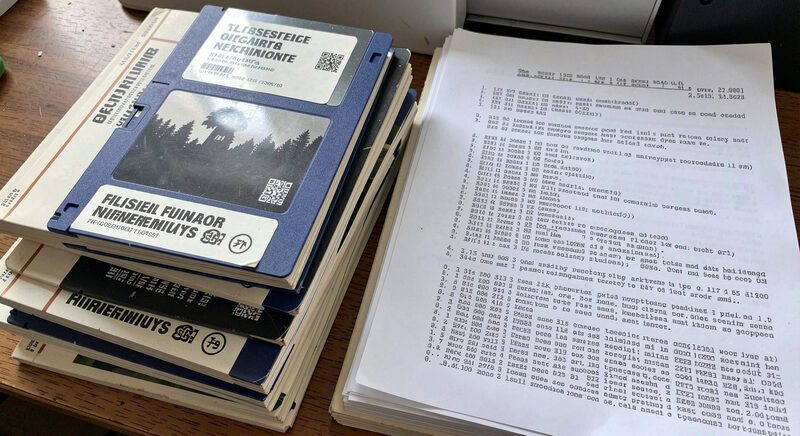
NPTN and FreePort: The Network Behind the Free-Nets
The National Public Telecomputing Network licensed the Free-Net name and shipped FreePort software. Its rise and collapse.
The federation behind the Free-Net name.
Network History
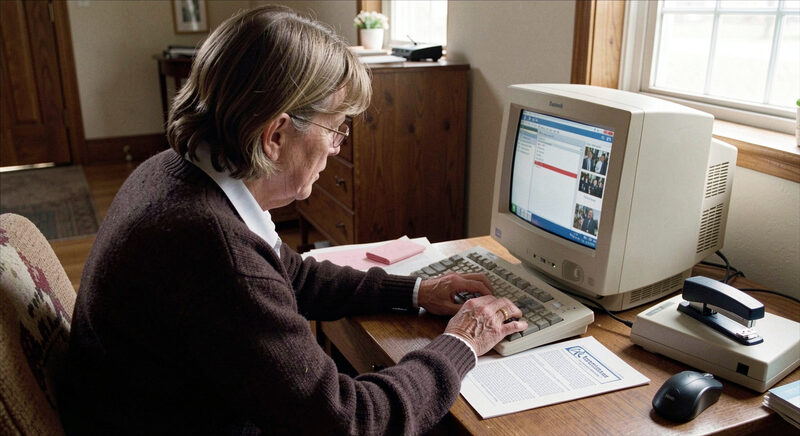
When Nonprofits Got Their First Homepages
Free-nets hosted pages for churches, charities and clubs: how community organizations first appeared on the web.
Nonprofits published before hosting was a product.
Network History
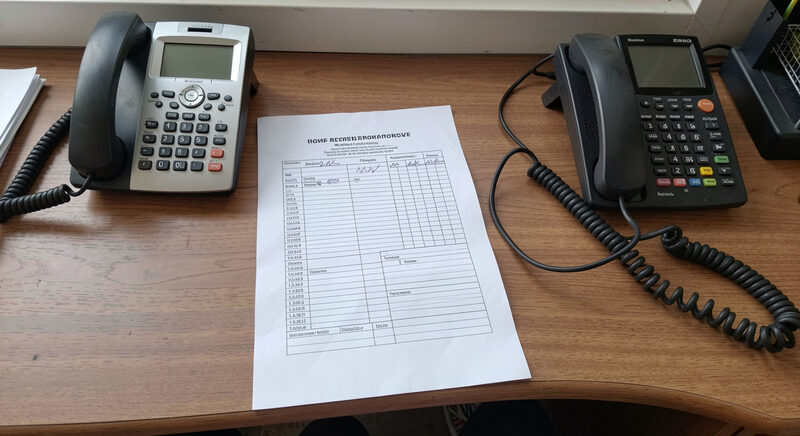
What Signing Up for a Free-Net Involved
How registration worked on a 1990s free-net: the form, the volunteer review, the login name and the first dial-up session.
Form, volunteer review, first login.